guidance
Norfolk bedding maker fined £20,000 after worker severs fingers in unguarded planer
HSE prosecution of Bed Down LLP turns on the absence of interlocking guards on a bespoke wood-shavings planer, a failure the regulator says a safe system of work would have prevented.
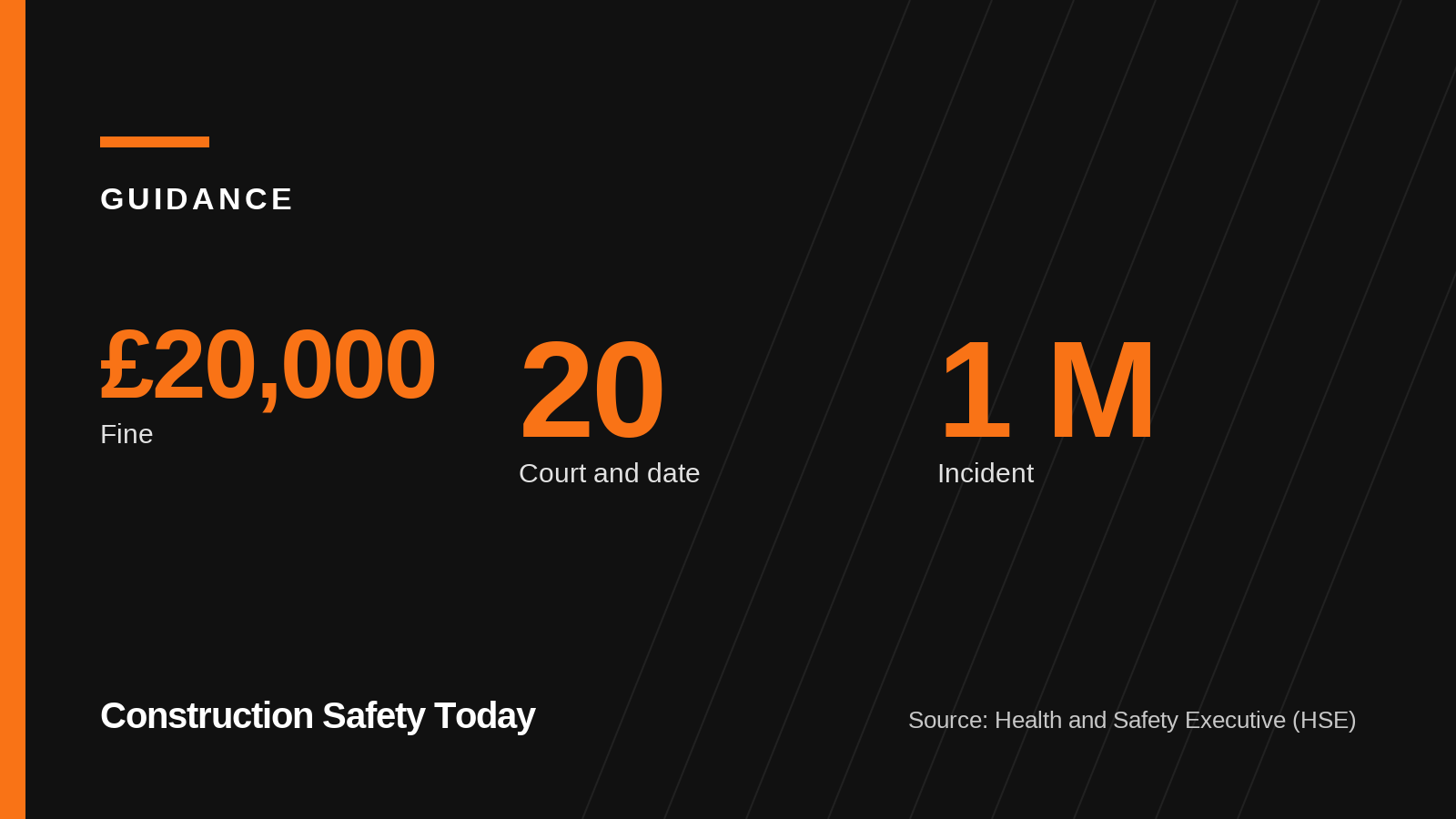
Bed Down LLP, a Norfolk maker of horse and pet bedding, has been fined £20,000 after a production operative partially severed two fingers clearing a blockage from a planer with no interlocked access doors, the Health and Safety Executive (HSE) said.
The company pleaded guilty to breaching Regulation 11(1) of the Provision and Use of Work Equipment Regulations 1998 (PUWER) and was also ordered to pay £8,000 in costs at Great Yarmouth Magistrates' Court on 20 November 2026, according to the regulator.
The incident happened on 1 May 2024 at the company's site in Metfield, Norfolk. HSE said the worker had been trying to remove a piece of wood lodged in a bespoke large planer used to turn timber logs into wood shavings when he partially severed the middle and ring fingers of his left hand.
HSE Inspector Adepeju Sogadgi said: "This worker suffered wholly preventable injuries while attempting to clear a blockage on machinery while cutters were exposed, accessible and fully operational."
What HSE found
There had been several blockages during the day, HSE said, and the man had opened the machine's steel access door to clear another lodged piece of wood.
HSE's investigation found the access doors were not fitted with interlocking guards. As a result, the regulator said, moving parts kept running when the doors were opened and workers could reach the cutter head blades while the machine was in motion.
After the incident, interlock switches were fitted so the machine stops automatically whenever an access door is opened, HSE said.
The worker underwent surgery and months of physiotherapy. More than two years on, HSE said, he still experiences pain, reduced dexterity and flashbacks, and the injuries continue to affect his personal and working life.
Sogadgi said: "The dangers associated with moving machinery are well known, which is why such basic failures are deeply disheartening. Employers must always ensure effective measures are in place to prevent workers accessing dangerous parts."
The legal duty
Regulation 11 of PUWER, headed "Dangerous parts of machinery", requires employers to take measures that are effective either to prevent access to any dangerous part of machinery or rotating stock-bar, or to stop the movement of dangerous parts before any part of a person enters a danger zone, according to the legislation as published on legislation.gov.uk.
The regulation sets a hierarchy. Fixed guards enclosing every dangerous part come first; other guards or protection devices are required where and to the extent that fixed guards are not practicable. Regulation 11(3) also requires that guards and protection devices are not easily bypassed or disabled.
HSE said in its release that machinery hazards should be identified through suitable and sufficient risk assessments, with control measures put in place to eliminate or reduce the risk of injury.
The 1998 regulations replaced the original PUWER regulations introduced in 1992, HSE's overview states. Work equipment covers any machinery, appliance, apparatus, tool or installation for use at work, and PUWER requires it to be used only by people with adequate information, instruction and training, and to be accompanied by suitable measures such as protective devices and controls.
The lesson for woodworking plant
HSE's woodworking guidance, which covers planing and moulding machines, says about half of all accidents on four-sided planer moulders were caused by people approaching the cutters.
On new machines, the guidance says, interlocks fitted to enclosure access doors cut power, stop the feed and apply brakes. Guards should only be removed or opened when the machine is stopped and being cleaned or maintained. The guidance also notes that planer/thicknessers typically have a long run-down period, which increases the risk when adjustments are made.
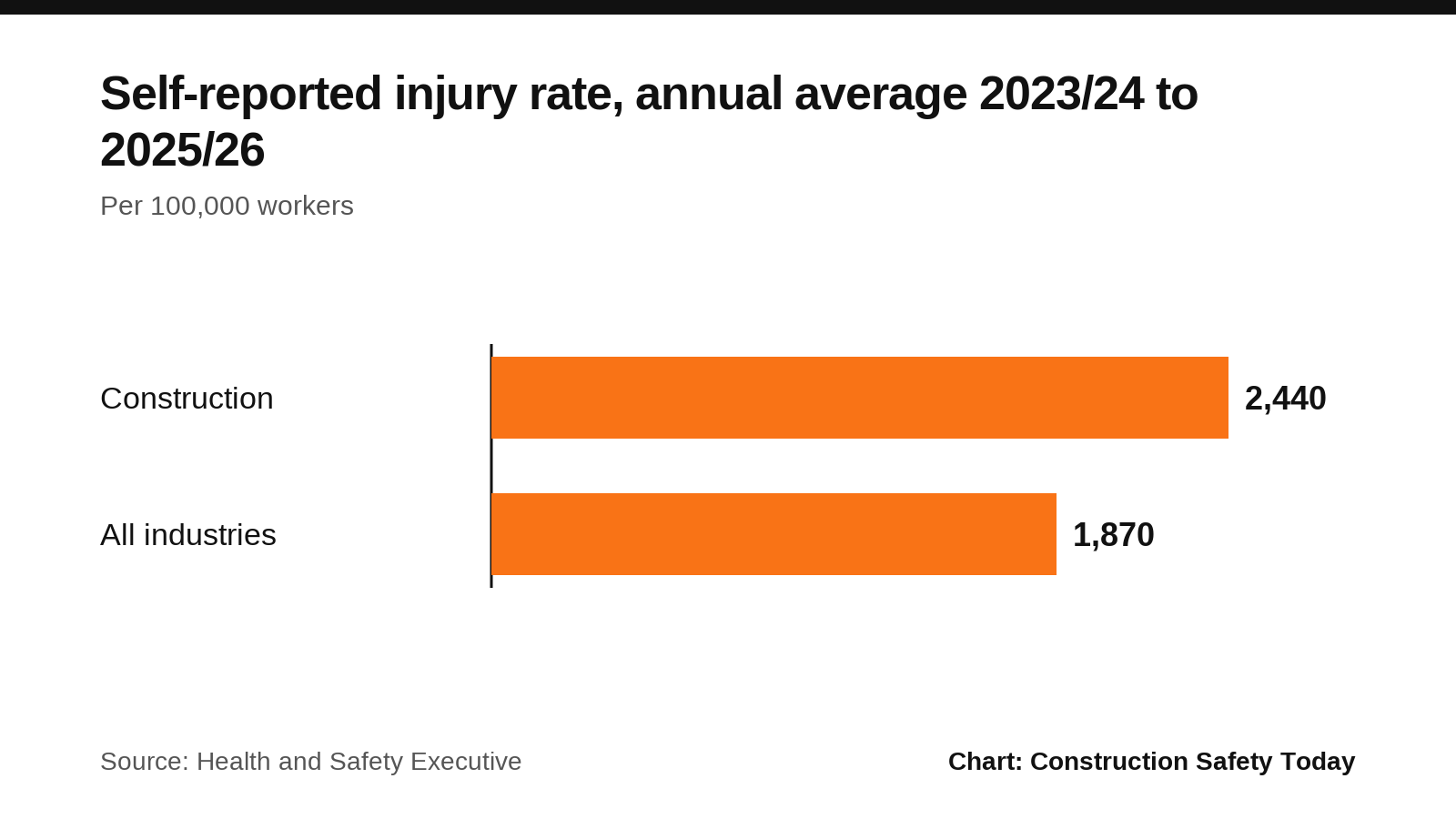
The case sits against HSE's headline figures for Great Britain for 2025 to 2026, which record 126 workers killed in work-related accidents, 58,298 injuries to employees reported under RIDDOR and 688,000 workers sustaining a non-fatal injury at work according to the Labour Force Survey.
The prosecution was brought by HSE enforcement lawyer Chloe Ward, supported by paralegal Thomas Smith. HSE said it does not pass sentences, set guidelines or collect fines, and that courts must follow the relevant sentencing guidelines unless satisfied it would be contrary to the interests of justice to do so.
Bed Down LLP's address is given by HSE as Cherry Tree Farm, The Common, Metfield, Norfolk.
Sources
- Health and Safety Executive (opens in a new tab) (accessed 2026-11-24)
- legislation.gov.uk (The National Archives) (opens in a new tab) (accessed 2026-11-24)
- Health and Safety Executive (opens in a new tab) (accessed 2026-11-24)
- Health and Safety Executive (opens in a new tab) (accessed 2026-11-24)
- Health and Safety Executive (opens in a new tab) (accessed 2026-11-24)
This story was researched from the primary sources above and checked against them before publication. Spotted an error? Tell us and we will correct it promptly.