campaigns
CECA closes ninth Stop. Make a Change campaign after 15 events across Great Britain
The Civil Engineering Contractors Association says its October campaign on serious injuries, occupational health and mental health reached members and the wider construction sector, and will return for a tenth year in 2027.

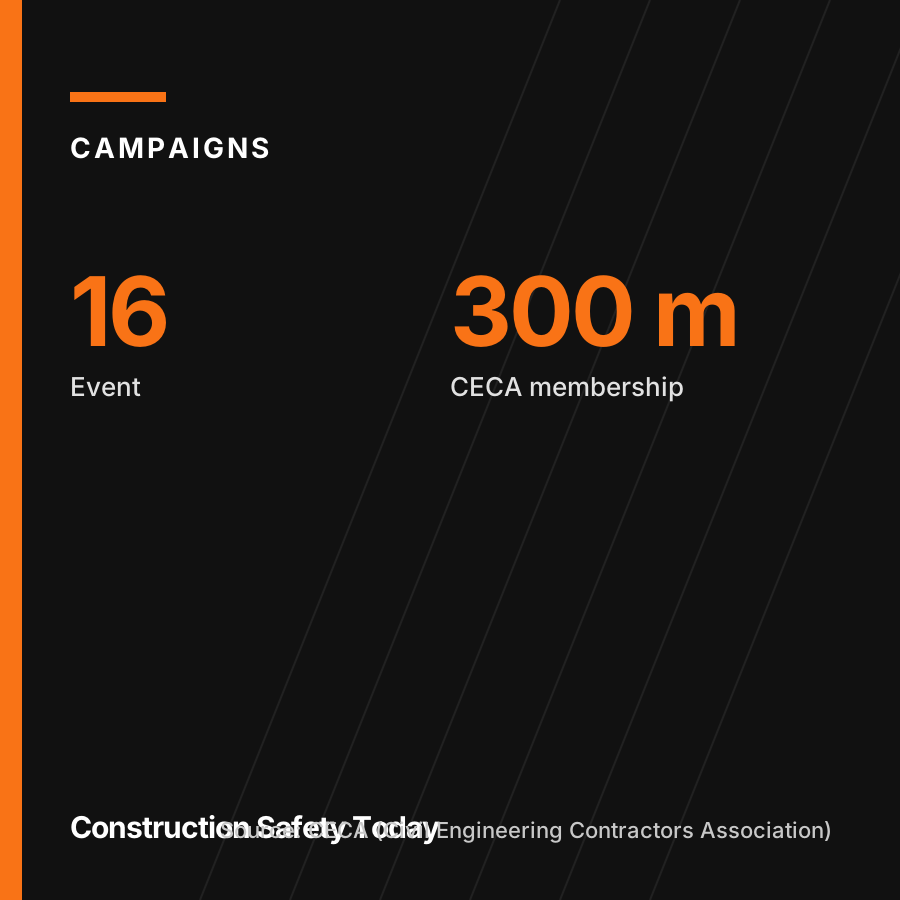
The Civil Engineering Contractors Association (CECA) has closed its ninth Stop. Make a Change campaign after a month of 15 events across England, Scotland and Wales focused on serious injuries, occupational health and mental health.
The trade body said the October programme brought together companies, industry organisations and individuals from civil engineering and the wider construction sector, with free resources, webinars and in-person sessions run by CECA and the SMAC 26 working group.
The campaign concentrated on three areas: serious injuries and fatalities (SIFs), long-term occupational health conditions and mental health. Under the first heading, CECA said sessions dealt with plant and vehicle movements, driving, stored energy and temporary works. The health strand covered occupational cancer, respiratory disease, silica and dust exposure and noise-induced hearing loss.
Chris Dobson, group health and safety director at MGL Group, a family-owned civil engineering and demolition business working across the North East, said: "I found the SMAC2026 campaign a valuable opportunity to refresh and enhance my knowledge, particularly the sessions focusing on mental health and silica dust."
He added: "The silica sessions were especially relevant to our activities at MGL Group, and we have used the learning to review and strengthen our existing procedures and controls for managing dust and respirable crystalline silica (RCS)."
Attendee response
CECA said feedback from attendees pointed to the impact of individual sessions, including a mental health presentation and a talk by the Diabetes Safety Organisation. Others said they had valued learning about the support available through the Lighthouse Charity and discussing difficult subjects in an open forum.
Supporting organisations listed for the 2026 campaign on the Stop. Make a Change website are the Lighthouse Charity, Men Matter Scotland, THINK!, Safety Shield, Andun, Never Let Go, Exeros, the Diabetes Safety Organisation, the Hearing Conservation Association and Park Health & Safety.
Although the October programme has finished, CECA said its message must carry on throughout the year, with the industry sharing knowledge and making small changes to everyday practice to cut the risk of serious harm.
Background
CECA started Stop. Make a Change in 2017 and has run it every year since. The campaign website describes it as the only nationwide campaign of its kind in UK construction, in which companies temporarily stop work for health, safety and wellbeing sessions.
According to CECA, more than 500,000 employers and employees have taken part since 2017, and the campaign has been endorsed across the sector, including by the Construction Leadership Council, the government-industry strategic partnership.
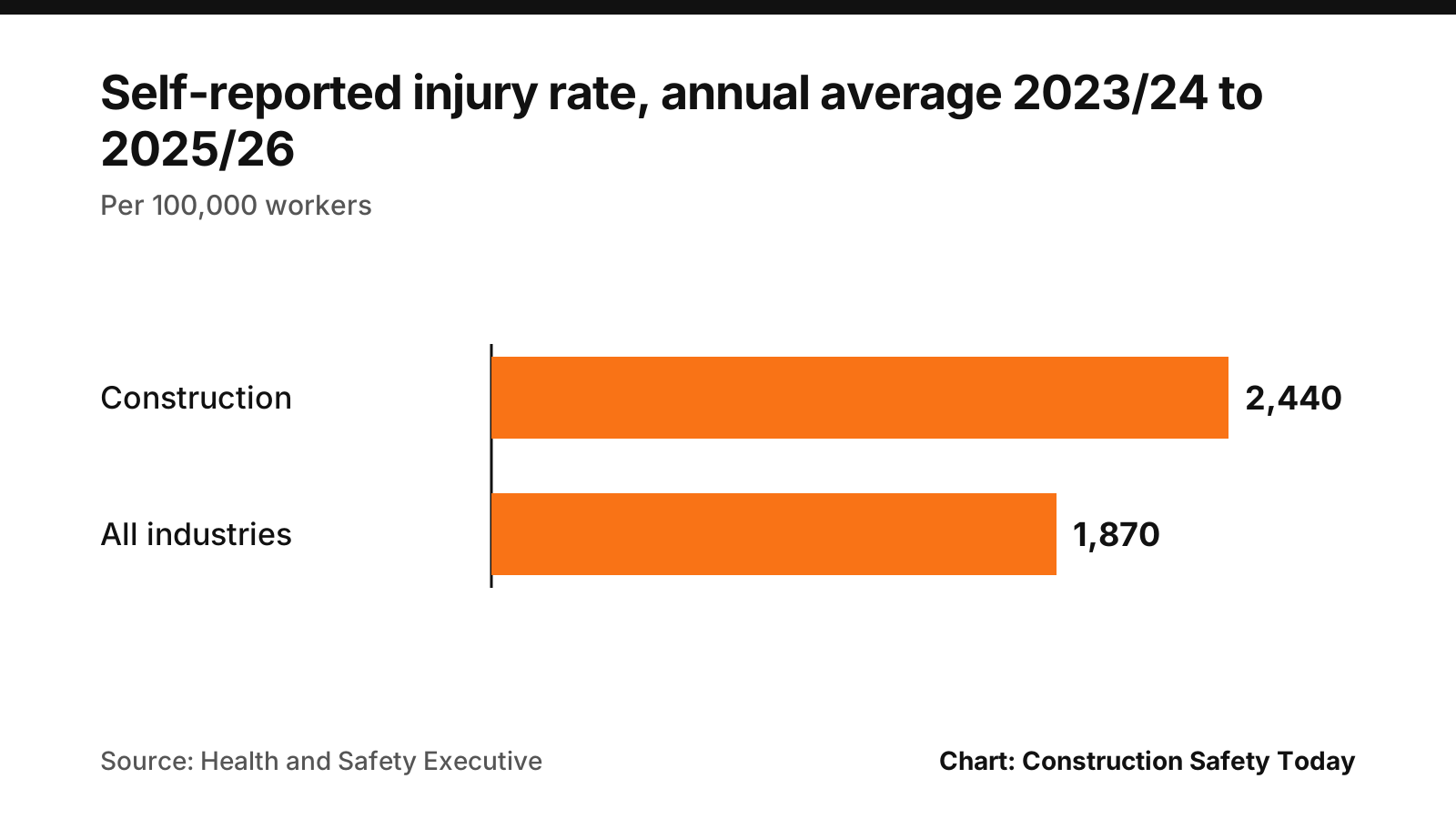
The focus on serious injuries and fatalities sits against the Health and Safety Executive's (HSE) latest national figures. HSE's provisional data records 126 workers killed in work-related accidents in Great Britain in 2025/26, with a further 104 members of the public killed in work-related accidents over the same period. HSE said the 2025/26 figures are provisional and will be finalised in July 2027.
What happens next
CECA said Stop. Make a Change will return for its tenth campaign in 2027. Organisations wanting to take part have been asked to contact CECA sector group manager Kate Lloyd.
On the record: Lighthouse Charity
Sources
- Civil Engineering Contractors Association (CECA) (opens in a new tab) (accessed 2026-11-18)
- CECA (Stop. Make a Change campaign site) (opens in a new tab) (accessed 2026-11-18)
- CECA (Stop. Make a Change campaign site) (opens in a new tab) (accessed 2026-11-18)
- Health and Safety Executive (opens in a new tab) (accessed 2026-11-18)
- MGL Group (opens in a new tab) (accessed 2026-11-18)
This story was researched from the primary sources above and checked against them before publication. Spotted an error? Tell us and we will correct it promptly.